
Author: Grace Cowie
Art: Unsplash
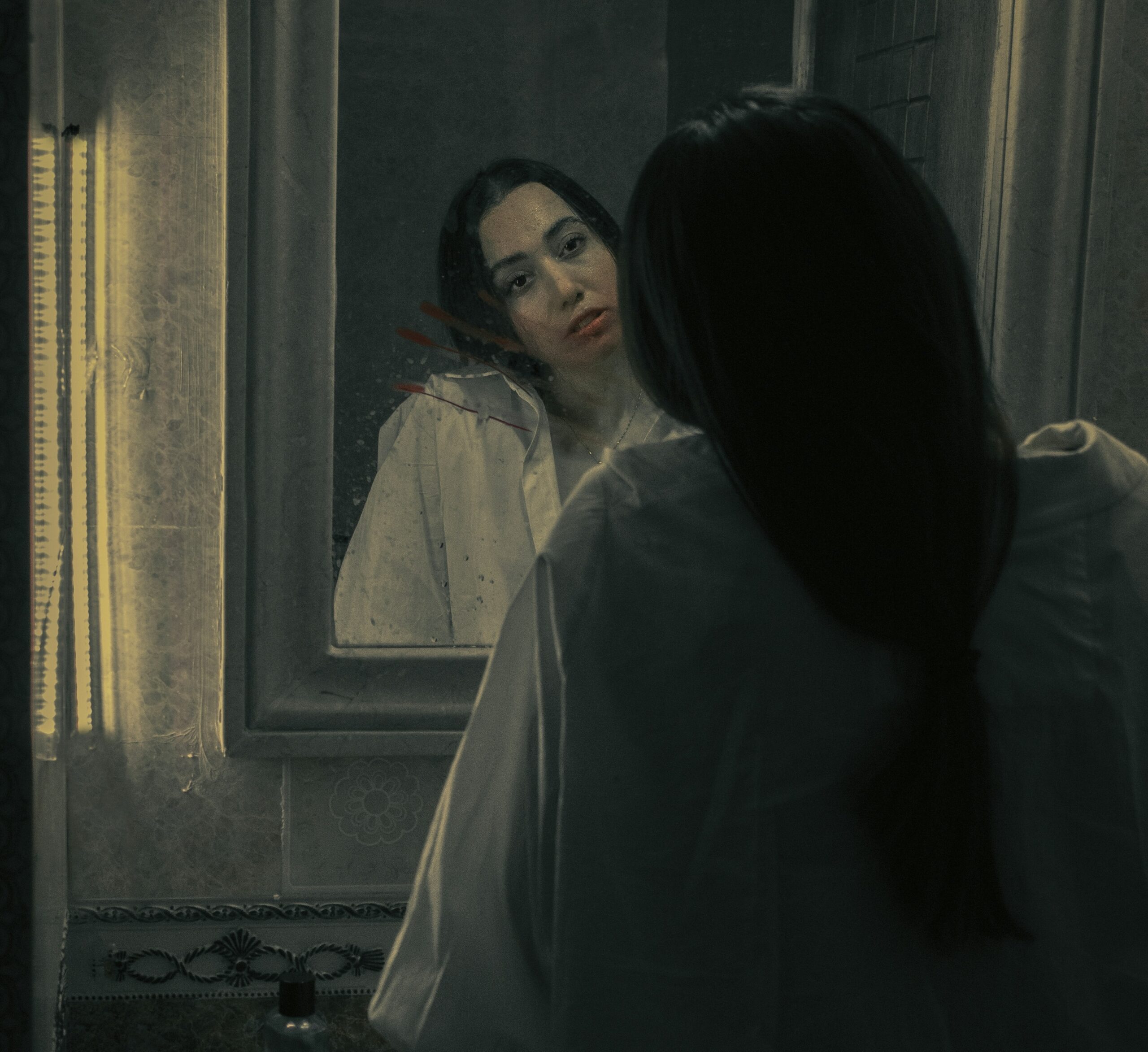
I’ve never felt particularly attractive or beautiful, and the mirror has always been more of a frenemy than anything. But at 27, I’m married to someone who loves me and assures me constantly, both verbally and otherwise, that he finds me beautiful. I’ve received my fair share of compliments over the years, from friends and family. Yet, in the years that have followed my awkward teenage years, my self-esteem hasn’t improved. Instead, it’s just gotten worse.
What defines teenage years? Usually, it’s acne, parents not understanding you, confusion, and the pinnacle: bad self-esteem. I certainly checked a few of those boxes. I looked forward to adulthood when these things would be in the past, along with curfews and homework and waiting for my first kiss. But while I can stay out as long as I want and I got my first kiss over and done with, my self-esteem has only worsened as I’ve gotten older.
Adulthood doesn’t protect us from insecurity, evidently. Neither does external validation, relationships, or “fixing” our flaws. Because healing doesn’t come from chasing an untenable and always changing standard of beauty, but learning how to be okay just existing as we are.
You might be thinking – of course it has! Our society values youth over everything – you must be afraid of getting older! And while I won’t deny that my 30th birthday gives me some sense of anxiety, the closer it gets, looking “older” hasn’t been a source of insecurity. In fact, not looking like a “grown woman” is what troubles me, more often than not. I look in the mirror and see an overgrown child.
In the past, I had “glow-ups” to look forward to. I figured in my 20s, I’d look just like Anne Hathaway in The Devil Wears Prada (post- Stanley Tucci makeover, of course). Now, I’m four years older than she was – is my glow up behind me? Was this my peak hotness? I find myself examining the faces of hot celebrity women in their 30s and 40s, wondering if I’ll be able to pull off their “sexy grown woman” style.
No one should be surprised that social media is an obvious contributing factor to our collective worsening self-esteem. Like any other Zillennial, I’ve been on social media since my brain wasn’t even close to developed – raised on Facebook posts and YouTube videos, archiving my teen years on Tumblr and Instagram, forming relationships through Snapchat. But the emergence of TikTok and newer Instagram trends means a constant exposure to beautiful people living beautiful lives. It’s been discussed to death – we all know social media isn’t reality.
So why do I feel my stomach drop when a beautiful woman, possessing all the features I want on my own face and body, shows up on my feed?
Instagram used to be for seeing my friends post photos of their pets and celebrities sharing pics of their newest salad obsession. Now my feed is clogged by UGC ads of pretty girls telling me about the bra I need to make my boobs look better, plastic surgeons promoting botox and nose jobs, and influencers in bikinis. I question why anyone – my husband, namely – would find me attractive when there are women out there like the one showing me her new favourite lip gloss.
And unlike my teenage self, I know these women are filtered, makeup-ed, and ring lighted-ed. I know I shouldn’t compare them to myself, the girl I see at 1:00 PM, stumbling out of bed on a Sunday, hungover, with last night’s makeup under my eyes. And yet I do.
There’s no doubt that being conventionally attractive has its benefits. A friend once admitted it was hard interviewing for open positions at work because “sometimes you just want to choose the hot ones.”
Pretty privilege might get you things – free stuff, a seat on the bus. But for women especially, we’re taught that attractiveness is social capital and should be something we strive for above all else. Yes, get your degree – but make sure you look good while doing it. Go to work and make money – but put makeup on every day. As teens, we have this pressure as well.
But as adults, it becomes tied to so much of our lives. Our livelihood depends on it – we need to be attractive enough to find work, find partners. We need to age gracefully, spend thousands on “baby botox” and retinol so our skin doesn’t age past 35. For a lot of people, beauty isn’t an option but a requirement.
I want those benefits. Is it shameful to admit that?
I’ve worked hard to mitigate my fears of being unattractive, or worse yet, slightly below average. I’ve gotten the lip filler, the baby botox to change my smile, the teeth whitening, the tanning, the hundreds spent at makeup shops, waxing salons, nail salons, and spas. I make enough money to dress myself how I want, no longer tied to Christmas lists, and $50 to be spread throughout the mall after my birthday. I’ve lost weight, gained it. I’ve changed my hair, taken more pictures, taken fewer pictures, and deleted Instagram. And none of it had done it for me.
Nothing has taken away my constant negative self-talk, the fear of how others see me. When a stranger looks at me, what do they see? On my worst days, I feel as though I don’t even look “normal” – the result of staring so long in the mirror, my features begin to warp. Why can’t I have a photo taken of me without examining each pixel?
So, then what is the cure for poor self esteem? The traditional advice is self-love – tell yourself you’re beautiful, look in the mirror, and find beauty in your “imperfections”. Because even if society deems you unattractive, you should see yourself as beautiful anyway. And it’s a nice idea, don’t get me wrong. There’s nothing wrong with wanting to feel beautiful when we’ve been conditioned to believe it’s the end all be all of life. But does it work?
For me, it doesn’t. Not long-term, anyway. No matter how much self love I preach, how many social media apps I delete, how much effort I put into my appearance, the thoughts come creeping back. And when they do, I feel embarrassed that I ever found myself attractive – what else am I delusional about?
Instead, I’ve decided to remove my appearance altogether from my self-worth. Instead of finding beauty in my face, I just see myself. Instead of loving my body, I accept it. I don’t need to find my thighs attractive – they just exist as a tool for me to walk.
I find value in being me – as a wife, a friend, a colleague, and most importantly, as myself.
At 27, my goal isn’t to love how I look, but to love that I am here. Existing.
About the Author:
Grace Cowie is a writer based in Ottawa, Canada. She enjoys old movies, new clothes and spending time with her senior cat. Find her on TikTok at Gracie.elizabeth.99.